Fragmented governance and poor cross-departmental, regional, and state alignment prevent climate actions from moving from plans into coordinated, scalable implementation.
REACH Bay Area
REACH Bay Area
REACH’s long term mission is to leverage the collective power of state, federal and regional capacity and resources to advance place-based energy, climate, and land use priorities through lasting regional hubs. It is community-driven (local gov, tribal gov, academic institutions, philanthropy, CBO/NGOs) and partners and engages with State and federal agencies.
In the effort to continue engagement in the San Francisco Bay Area Region, REACH is intended as an ongoing series. To that end we have created the opportunities below to stay engage and begin to plan future events.
CCEC and SGC will continuously work to build on what we are learning from the bay area to build a landscape analysis and assistance guide for the region. These materials are intended to support community and state leaders as they seek to understand and serve the region and will evolve over time as we continue to engage. Like we said, Regional Energy and Climate Hubs (REACH) are intended to be more than just a convening!
The Regional Assistance guide is a constantly updated guide showcasing organizations in the inland empire that provide FREE funding, incentives, or technical assistance to local, tribal, CBOs, NGOs, or schools in the San Francisco Bay Area region. Feel free to add your information or edit your organization as desired directly into the guide.
To increase visibility of the organizations in the San Francisco Bay Area Region which are already participating in REACH Bay Area or who have been suggested by others to participate are shared in this filterable spreadsheet. Also available is information on the topic areas that the organizations need assistance with as well what topic areas they provide assistance. Feel free to add additional suggestions here on organizations that should be included on future REACH events.
A draft landscape analysis using what we learned at the July 2025 Catalyst Convening and additional materials can be downloaded here. This is a dynamic document that will be continuously updated as we gather additional information from the region!
The barriers, challenges, solutions and best practices brought up in the San Francisco Bay Area Region during the 2025 Catalyst Convening can be found below. CCEC is working to continuously update this information based on what we learn from the region. If you live or work in the San Francisco Bay Area region please let us know how we can expand and refine our information. Either share new ideas, best practices or general feedback via this form, or click on a particular item to share additional feedback, information, examples of progress on that particular item.
California jurisdictions, especially smaller ones, face major constraints in meeting climate planning and implementation requirements due to limited staff, fragmented guidance, and difficult data access. Developing GHG inventories and CAPs consumes scarce capacity, and most jurisdictions lack sustained funding or support to carry plans into action, slowing progress and widening disparities.
Local governments struggle with heavy workloads, consultant-dependent plans, inconsistent state frameworks, and difficulty keeping CAPs current. Access to GHG and energy data is slow and inconsistent, forcing jurisdictions to recreate work. Implementation is hampered by short-term funding, limited staff, uneven political support, siloed permitting, and weak regional coordination, leaving frontline communities inadequately served.
Local jurisdictions can streamline planning by aligning with regional frameworks, sharing methods, and using regional hubs for technical assistance and project development. The state can reduce barriers by standardizing requirements, improving coordination, creating a unified data portal, fixing utility data access issues, and offering sustained operational and permitting support to help jurisdictions implement projects.
Models such as San Mateo County’s RICAPS, regional CAP efforts in Santa Clara and San Benito counties, and Plan Bay Area 2050+ show how shared tools and coordinated planning improve efficiency. County-led GHG inventories and UC Irvine’s CAP inventory project demonstrate replicable approaches for reducing duplication and strengthening data consistency.

Implementing planned emission reduction measures at a local or regional level is difficult due to budgetary and structural constraints, such as a lack of sufficient funding, decision-maker buy-in, or infrastructural limitations (e.g. electricity load service).
While emission reduction plans exist across jurisdictions with high levels of community support, frontline communities that are disproportionately affected by environmental injustice are not adequately prioritized in the implementation of climate solutions.
Bay Area stakeholders have brainstormed the following solution opportunities that can be taken by local leaders. Existing examples of progress or pathways to make further progress are highlighted if known.
Local or State
Regional Collaboration for Scaled Implementation. Local governments can work through counties, COGs, and regional climate authorities to jointly implement programs, aggregate projects, pursue funding, and coordinate procurement and delivery. Regional support models enable shared staffing and resources, helping jurisdictions overcome individual capacity limits and advance decarbonization and infrastructure projects at scale.
Local or State
Develop and share local project toolkits across jurisdictions to replicate successful implementation practices.
Bay Area stakeholders have brainstormed the following solution opportunities that can be taken by state leaders. Existing examples of progress or pathways to make further progress are highlighted if known.
Local or State
State Support for CAP Implementation. The state can provide ongoing, hands-on technical assistance paired with seed funding and multiyear operational support to help jurisdictions move from planning to implementation. This approach supports staff time, bridges grant cycles, reduces reliance on one-off grants, and improves continuity and consistency in CAP delivery.
Local or State
State agencies should harmonize permitting standards, data requirements, and approval processes (e.g., BCDC, CDFW, Army Corps) to reduce delays for infrastructure, restoration, and climate projects.

Too much local capacity (staff time/resources) and technical expertise is needed to develop/ track/ update greenhouse gas (GHG) inventories and climate action plans (CAPs), which takes away from implementation.
Chronic Staff Capacity Constraints. Small, rural, and under-resourced jurisdictions often rely on one planner to manage CEQA, General Plan updates, grant applications, and GHG inventories and CAPs, leaving little capacity for sustained climate planning or implementation. Climate work is added onto existing roles, and complex, non-user-friendly state guidance further exacerbates inequities with better-resourced jurisdictions that have dedicated climate staff.
Planning Burden Crowds Out Implementation. The effort required to produce and update compliant GHG inventories, ordinances, and CAPs consumes limited staff capacity, leaving insufficient time for implementation. Staff turnover, shifting political priorities, and the absence of dedicated implementation roles or accountability mechanisms mean CAPs are updated on fixed cycles but often lack sustained follow-through and delivery.
Fragmented, shifting, and misaligned state requirements—including frequent methodological changes—force local governments to redo similar climate planning work multiple times, diverting limited capacity from implementation and engagement.
Over-Reliance on Consultants. Limited in-house capacity drives reliance on external consultants for GHG inventories and CAPs, creating high costs, episodic updates, and weak institutional continuity. Minimal staff involvement reduces integration into daily operations, leaving plans hard to update and often unimplemented.
Bay Area stakeholders have brainstormed the following solution opportunities that can be taken by local leaders. Existing examples of progress or pathways to make further progress are highlighted if known.
Local or State
Regional climate hubs, shared staffing models, and COG/REN-led technical assistance networks that pool expertise, standardize methods, align state–local requirements, and provide sustained planning and implementation support for under-resourced jurisdictions.
Bay Area stakeholders have brainstormed the following solution opportunities that can be taken by state leaders. Existing examples of progress or pathways to make further progress are highlighted if known.
Local or State
State-funded, regionally delivered technical assistance and staffing support—through LCI, SGC, COGs, RENs, and partners—that provides sustained training, templates, shared staff positions, and grant-embedded capacity funding to reduce reliance on consultants and enable implementation.
Local or State
Formal cross-agency alignment to standardize CAP, CEQA, and climate-planning requirements; synchronize timelines; engage locals earlier in regulatory processes; and reduce duplicative mandates that overburden limited planning staff.

Problems accessing GHG source data (e.g., utility or vehicle miles traveled (VMT) data) cause long delays in preparing and updating GHG inventories.
Utilities, state agencies, and regional entities hold the energy-use data needed for GHG inventories, but CPUC privacy rules, inconsistent release practices, lack of standardization, and poor interagency coordination make it extremely difficult for cities to obtain complete datasets. As a result, each local government must navigate a lengthy, months-long utility data request process and often pay consultants to recreate data that already exists, all without a centralized portal or clear access point.
Bay Area stakeholders have brainstormed the following solution opportunities that can be taken by local leaders. Existing examples of progress or pathways to make further progress are highlighted if known.
Local or State
A shared, centralized approach to GHG inventory production and data access should be established so that cities no longer need to recreate their own inventories. Inventory datasets should be compiled and transparently shared—whether by the state, counties, regional agencies, academic institutions, nonprofits, or consultants—using standardized methods and timelines to ensure consistency and reduce duplication.
Bay Area stakeholders have brainstormed the following solution opportunities that can be taken by state leaders. Existing examples of progress or pathways to make further progress are highlighted if known.
Local or State
The state should build a unified, easy-to-navigate system for producing, standardizing, and sharing local GHG and energy data. This would include: A centralized statewide energy and GHG data portal—potentially by expanding existing platforms like the UCLA Energy Atlas to serve all regions and remain up to date, and by restoring free access to key tools such as ICLEI ClearPath for local jurisdictions. Standardized GHG inventory methods, timelines, and indicators statewide, ensuring that all jurisdictions work from consistent, comparable (“apples-to-apples”) data. Regularly produced and published local GHG inventories for every city and county, updated on a predictable statewide cycle to reduce duplication, support regional planning, and inform state policy.
Local or State
Align State Agency Policies and Correct Interagency Misalignment: State should resolve contradictions between agencies (CEC, CPUC, CARB, counties, CCAs) to streamline data access.
Local or State
Address CPUC Data Privacy Rules That Restrict Access to Utility Data: Participants explicitly identify CPUC privacy rules as blocking access to GHG-relevant energy-use data.
Participants noted that California’s housing crisis demands coordinated local, regional, and state action because housing, climate, equity, and infrastructure challenges are deeply interconnected. Current planning and regulatory systems are too fragmented for jurisdictions to meet production and resilience goals, underscoring the need for integrated, place-based approaches that align investments and reduce local capacity burdens.
Infill and multifamily development are slowed by restrictive zoning, CEQA-related delays, and persistent community resistance. Housing approvals are often disconnected from planning for transit, parks, and utilities, creating costly delays. Affordable housing financing remains fragmented and competitive, disadvantaging smaller jurisdictions and mission-driven developers. Wealth inequities and displacement pressures limit affordability, while aging housing and unaffordable insurance make climate-resilient upgrades inaccessible for many residents.
Local governments can accelerate production by adopting pre-approved designs, updating zoning, digitizing permitting, identifying surplus land, and engaging communities early through CBO partnerships. Regional collaboration—via shared review boards, pooled financing, and integrated planning—helps reduce duplication and strengthen project pipelines. The state can expand CEQA streamlining, standardize grants, enforce housing element requirements, align permitting and data systems, support regional pre-application processes, and improve access to funding for community-led projects.
Integrated models such as Plan Bay Area 2050+ and Oakland’s Better Neighborhoods, Same Neighbors show how coordinated housing, climate, and equity planning can advance shared goals. Programs like RICAPS and regional CAP efforts streamline local workload through shared tools. Public housing authority models, targeted rezonings, neighborhood fire-mitigation programs, and regional resilience collaboratives illustrate scalable approaches for expanding affordable, climate-resilient housing.

There is a lack of resources dedicated to making homes more wildfire, heat and energy resilient and insurable (e.g. fire resistance materials, backup power/batteries). Aging housing stock, inequitable investments, weak building codes, and limited insurance and workforce capacity leave low-income and vulnerable communities unable to afford or access upgrades that make homes safe from heat, wildfire, and other climate hazards.
High Upfront Costs Limit Access to Housing Upgrades. High upfront costs prevent low-income, underinsured households—particularly in older buildings—from accessing resilience, cooling, electrification, and electrical upgrades. Incentives often cover only a small share of costs, limiting participation unless programs offer direct-install options or substantially higher cost coverage.
Aging and Inefficient Housing Stock Increases Climate Risk. Much of California’s housing, especially in disadvantaged communities, is old and in disrepair, lacking cooling, modern wiring, and safety features needed for heat, wildfire, and outages. These conditions raise health risks and increase the cost and complexity of resilience and electrification upgrades for low-income residents.
Heat-related health risks are worsening for vulnerable households: Tenants and low-income homeowners often lack cooling systems and live in areas with strong heat-island effects, making homes dangerously hot and difficult to keep cool. As extreme heat intensifies, disadvantaged communities face rising risks of heat illness and worsening air quality, with limited resources to adapt or protect household health.
Limited local government capacity and complex funding systems block resilience projects: Smaller jurisdictions lack the staff or technical expertise to manage retrofit programs, apply for resilience grants, or administer homeowner upgrade programs.
Mismatch between who pays and who benefits (“wrong pocket problem”): Those responsible for resilience investments (e.g., homeowners, cities) are often not the ones who benefit financially (e.g., utilities avoiding fire liability). This deters investment in long-term resilience measures.
Bay Area stakeholders have brainstormed the following solution opportunities that can be taken by local leaders. Existing examples of progress or pathways to make further progress are highlighted if known.
Local or State
Community education on fire and heat resilience: Local governments should offer clear, accessible guidance on wildfire and extreme heat risks—covering home hardening, cooling, shading, planting, and basic materials choices—and integrate this outreach into existing housing programs so residents can take practical, affordable steps to stay safe.
Local or State
Local resilience funds pooled at the regional scale: Proposed to support small, community-led resilience projects, including weatherization, cooling, and fire adaptation.
Local or State
Regional resilience collaboratives / coalitions: Local actors proposed forming a regional coalition to: Share resources, Streamline partnerships, Avoid duplicated outreach and engagement fatigue
Local or State
Expand revolving retrofit funds for housing resilience: Revolving funds supporting housing retrofits + green upgrades (heat, energy, wildfire resilience)
Local or State
Neighborhood-scale fire mitigation tied to insurance: Organize block- or neighborhood-level fire mitigation projects that are coordinated with insurers—e.g., collective vegetation management, hardening measures, and defensible space—to improve insurability and reduce premiums in high-risk areas.
Bay Area stakeholders have brainstormed the following solution opportunities that can be taken by state leaders. Existing examples of progress or pathways to make further progress are highlighted if known.
Local or State
Partner with insurance companies to integrate resilience and adaptation planning: The document includes a direct recommendation for the state to work with insurance providers to proactively address resilience planning, affordability, and risk reduction in high-hazard areas.
Local or State
Strengthen statewide fire-resilience regulations and land-use standards: The document recommends the state adopt stricter design standards, building requirements, and land-use regulations for fire-prone areas, including density considerations and climate-resilient development standards.

Complex zoning laws, inconsistent CEQA requirements, lengthy permitting processes, and local opposition to new development have historically limited housing production and infill development.
Community resistance to housing development remains a major barrier (NIMBY Opposition). Local leaders noted that opposition—often framed as protecting neighborhood “green space” or preserving single-family character—can reflect deeper resistance to multifamily density and infill. Many residents still associate new housing with congestion or environmental harm rather than recognizing its potential to improve public health, cost efficiency, and climate outcomes.
Bay Area stakeholders have brainstormed the following solution opportunities that can be taken by local leaders. Existing examples of progress or pathways to make further progress are highlighted if known.
Local or State
Launch coordinated, values-based pro-housing campaigns that engage trusted messengers and community partners to build support for infill and multifamily development. This includes organizing “say yes to housing” education efforts to counter NIMBY narratives; partnering with cultural, faith-based, and health organizations as trusted messengers; and framing well-planned housing as improving family stability, commute times, air quality, and community well-being.
Local or State
Reform and modernize local zoning codes to replace exclusionary single-family and separated-use patterns with infill-oriented, mixed-use, and higher-density districts in walkable, transit-served areas. Updates should allow a wider range of housing types—including modular, mobile, small multifamily, and mixed-use buildings—while reducing unnecessary minimum home size requirements to expand affordability, flexibility, and climate-aligned community design.
Local or State
Local governments should initiate early, consistent, relationship-based engagement with residents and community partners—beginning years before a project breaks ground—to build trust, align expectations, and minimize opposition. This engagement should go beyond one-off meetings and instead include community-based organizations (CBOs) as true co-design and peer-review partners throughout Housing Element updates, rezoning, and major development reviews, using models such as SB 1425’s environmental justice (EJ) engagement standards as a floor, not a ceiling. Meaningful long-term partnerships help communities understand benefits, shape decisions, and support infill, upzoning, and climate-resilient housing development.
Local or State
Local governments and regional partners should conduct a comprehensive, up-to-date inventory of publicly owned land and vacant parcels suitable for infill, affordable housing, and climate-resilient development. This includes city-, county-, school district–, and special district–owned sites, as well as underutilized parcels that can support housing or mixed-use development.
Local or State
Pre-Application Regional Review Boards: Establish a regional pre-application process in which a multi-stakeholder “board” reviews and scores proposed housing and retrofit projects against shared regional priorities—such as equity, climate resilience, and infill over sprawl—before sponsors apply to state and federal programs. This governance tool would centralize project triage, align local proposals with regional goals, and make it easier to match projects to fragmented funding sources.
Local or State
Local permitting processes should be streamlined and digitized to reduce delays, simplify requirements, and make infill and affordable housing approvals more predictable.
Local or State
A locally governed public housing authority (PHA)—funded through local bonds, taxes, or dedicated revenue streams—would directly develop, own, and manage affordable and community-centered housing rather than relying exclusively on private developers. This model allows jurisdictions to pursue housing aligned with community goals (affordability, climate resilience, mixed-income, infill) and overcome barriers created by market-driven development, such as high costs or lack of developer interest in low-profit projects.
Local or State
Local governments develop or adopt a library of pre-approved, permit-ready housing designs—including ADUs, small multifamily prototypes, and modular or turnkey units—to dramatically shorten permitting timelines, reduce processing inconsistencies, and lower soft costs for developers and homeowners. These designs allow jurisdictions to bypass repeated plan checks, accelerate infill housing, and minimize the risk of costly delays that often trigger community opposition or legal disputes.
Bay Area stakeholders have brainstormed the following solution opportunities that can be taken by state leaders. Existing examples of progress or pathways to make further progress are highlighted if known.
Local or State
Expand and strengthen CEQA streamlining for housing-element rezonings and qualifying infill housing projects—moving beyond one-off project exemptions to support RHNA compliance—while ensuring reforms reduce delays and prevent misuse of CEQA to block infill or climate-aligned development.

Social inequities including the growing wealth gap underlie and exacerbate housing access and affordability issues.
High Housing Costs and Displacement Risk for Low-Income Communities. Rising housing costs disproportionately burden low-income and disadvantaged households, limiting access to stable housing and increasing vulnerability to displacement as neighborhoods change. New development can drive up rents and property values without adequate protections, pushing out long-time residents and exacerbating existing wealth disparities.
Housing as a commodity rather than shelter. Participants emphasized that market forces and speculative ownership structures have turned housing into an investment vehicle instead of a human right, with capitalism “inserted between people and services.” This commodification limits affordability and contributes to displacement pressures.
Prop 13 entrenches long-term wealth inequality by giving major tax advantages to long-time and higher-wealth homeowners while newer and lower-income residents bear disproportionately higher costs. This outdated structure limits local revenue for affordable housing and public services, deepening inequities and constraining community investment.
Bay Area stakeholders have brainstormed the following solution opportunities that can be taken by local leaders. Existing examples of progress or pathways to make further progress are highlighted if known.
Local or State
Center Affordability and Anti-Displacement in Planning. Local jurisdictions can integrate affordability and displacement risk into housing and climate planning by enforcing strong anti-displacement protections, such as right-to-return policies, tenant protections tied to entitlements, rent limits, and displacement monitoring, to help residents remain in their communities.
Local or State
Build trust through transparent engagement and community benefit agreement: Building trust requires transparent, consistent engagement that demonstrates long-term commitment to community needs and priorities. Local governments and partners should use clear communication, inclusive decision-making, and mutually agreed-upon community benefits to strengthen social cohesion and accountability.
Local or State
Provide accessible outreach to historically marginalized communities: Local and regional agencies should deliver accessible, culturally informed outreach and education to ensure residents—especially those in historically marginalized communities—understand housing options, climate risks, and available resources. Improving language access, simplifying information, and proactively supporting community agency are essential to closing participation gaps.
Bay Area stakeholders have brainstormed the following solution opportunities that can be taken by state leaders. Existing examples of progress or pathways to make further progress are highlighted if known.
Local or State
Streamlined State Funding for Community-Led and CBO-Delivered Projects. The state can improve access and equity by streamlining how funds reach small, community-led projects—such as through regional pooling or resilience funds—and by partnering with and funding CBOs to reach housing-burdened households, overcoming trust, access, and administrative barriers tied to the wealth gap.

Affordable housing developments require complex financing involving multiple funding sources, many of which are highly competitive and include excessive and inconsistent requirements, and extend development timelines.
Affordable housing projects face a fragmented financing landscape requiring developers to stack or braid multiple funding sources—tax credits, subsidies, grants—each with its own priorities, timelines, and compliance requirements. This patchwork system creates excessive administrative burdens and delays, making it difficult for local organizations and developers to efficiently access funding or move projects forward.
Establish local and regional pooled housing trust funds and collaborative financing vehicles—leveraging public, private, and CDFI capital—to provide flexible, low-cost, patient loan products that allow affordable housing projects to move forward despite state and federal funding delays.
State housing and climate funding programs remain both overly complex and highly competitive. Difficult, time-intensive applications—paired with limited funding pools—discourage participation from smaller jurisdictions and mission-driven developers. Even strong, shovel-ready projects often fail simply because programs are oversubscribed, creating significant barriers to accessing resources.
Bay Area stakeholders have brainstormed the following solution opportunities that can be taken by local leaders. Existing examples of progress or pathways to make further progress are highlighted if known.
Local or State
Establish regional coordination mechanisms to collaboratively build pipelines of investable housing projects. By pre-identifying priority developments, pooling resources, and aligning multi-jurisdiction applications before approaching state and federal funders, regional entities can reduce duplicated effort, avoid competing against one another, and strengthen competitiveness for scarce dollars.
Local or State
Standardize and pre-approve housing components by creating pre-qualified designs, turnkey/pipeline-ready housing packages, and pre-packaged compliance checklists. These measures reduce design review, procurement delays, and funder-by-funder ‘box-checking,’ allowing affordable housing developers to deploy projects faster and at lower cost.
Bay Area stakeholders have brainstormed the following solution opportunities that can be taken by state leaders. Existing examples of progress or pathways to make further progress are highlighted if known.
Local or State
Establish a Regional Pre-Application / Project Prioritization Process: State authorizes or funds regional pre-application boards that evaluate projects before applications to state programs.Reduces competition among jurisdictions, aligns funding with regional priorities, and creates predictable pipelines.
Local or State
Create a “Green Housing Bank” / Public Housing Bank: The state would create a low-interest loan fund offering accessible, patient capital for nonprofit and affordable housing developers.
Local or State
Improve State Outreach, Technical Assistance, and Interagency Collaboration: Support local governments through coordinated TA teams across climate, housing, and funding agencies.
Local or State
Standardize and Simplify Grant Applications Across State Agencies: Create a centralized database that standardizes requirements, timelines, and reporting across all state funding programs.

New developments must provide for access to schools, parks, utilities, and transportation infrastructure, which can exacerbate tensions between green space conservation and density and require lengthy approval processes creating costs and delays.
Transit and housing misalignment: Housing development often moves forward without corresponding transit investment, leaving new residents car-dependent and undermining climate and equity goals. Regional transportation funding and planning are not aligned with where new housing is being sited, resulting in persistent transit mismatches in growing areas.
Housing decisions are often made separately from parks, transit, and open space planning at both the state and local levels, making integrated infrastructure planning difficult. This results in missed opportunities—such as in Glendale, where significant new housing was approved without adequate connections to Metro or rail transit.
New development requirements often produce small, semi-private courtyards or token “amenity spaces” (e.g., paved plazas with minimal landscaping) that do not function as true public open space. At the same time, infill housing and ADU construction remove private yards—the only green space many residents have—exacerbating heat island impacts and reducing overall urban canopy and park access, especially in dense and underserved neighborhoods.
Bay Area stakeholders have brainstormed the following solution opportunities that can be taken by local leaders. Existing examples of progress or pathways to make further progress are highlighted if known.
Local or State
Integrate housing growth with climate-aligned transportation planning:
Coordinate regional transit investments with planned housing intensification—ensuring new development is paired with high-quality transit access, capturing mode-shift and climate benefits.
Local or State
Integrate housing with parks, transit, and public services: Plan infill around parks, mobility, and civic infrastructure needs—mapping gaps before upzoning and investing in community services alongside new housing to build trust and reduce opposition.
Local or State
Local park and green space coordination instead of project-by-project requirements: Participants directly criticize siloed park requirements and advocate coordinated citywide planning.
Local or State
Identifying and unlocking surplus public/vacant land for coordinated housing & infrastructure: Local governments should inventory surplus land and use it for housing + infrastructure needs.
Local or State
Replace developer-mandated mini-courtyards with contributions to a public park fund: Locals recommend eliminating token green spaces and shifting to a shared fund used to create real parks.
Bay Area stakeholders have brainstormed the following solution opportunities that can be taken by state leaders. Existing examples of progress or pathways to make further progress are highlighted if known.
Local or State
Streamline housing and infrastructure systems together: Strengthen state streamlining for ADUs, infill, and transit-area housing while also accelerating permitting and interconnection for the energy and utility upgrades these projects require.
Local or State
State purchase and development of land to climate standards: State can directly acquire and develop land (e.g., surplus parcels) to ensure housing is paired with climate-aligned infrastructure.
Local or State
Apply state guidance to prevent new housing in hazardous/poorly serviced areas: Use state criteria (e.g., AHSC guidance) to ensure development is sited in places with adequate infrastructure and supports.
Communities face rising climate threats—heat, wildfire, smoke, flooding, outages, and ecosystem decline—without the data, coordination, or infrastructure needed to respond effectively. Fragmented systems, limited engagement, and weak integration across energy, housing, fire, and land-use planning leave local governments and residents without the resources or structures required for long-term resilience.
Climate-risk information is scattered and hard to access, funding is short-term, and local and CBO capacity is limited. Engagement processes often exclude Indigenous, rural, and frontline communities and sideline lived and cultural knowledge. Outdated energy systems, high energy burdens, and limited utility transparency heighten risks during outages and heat waves. Fire-adapted infrastructure and land stewardship remain poorly coordinated, while natural and working lands are strained by wildfire, drought, and fragmented governance.
Local and regional actions include resilience hubs, microgrids, stormwater and flood-mitigation projects, trusted-messenger networks, youth communication programs, inclusive governance tables, and cross-jurisdiction climate-adaptation and land-management collaboratives. Partnerships with Tribes to integrate cultural burning and stewardship strengthen resilience across landscapes. State agencies can expand community-led resilience funding, build a centralized climate-information system, strengthen technical assistance, improve utility coordination, invest in microgrids and clean backup power, support fire-resilient facilities, and establish statewide structures for land-management collaboration.
Examples include Oakland’s TCC resilience work, regional hubs and COAD networks, youth-led emergency communication, BayCAN and Santa Cruz Mountains coordination models, nature-based flood and fire-mitigation projects, and Sonoma County’s disaster-eviction protections—all demonstrating scalable, community-grounded approaches to climate resilience.
Outdated, centralized energy infrastructure, increasing capacity demands, and limited local authority, funding, and coordination – leave communities increasingly vulnerable to outages, heat, wildfire, and flooding, undermining resilience, safety, and affordability.
Critical Facilities and Community Infrastructure Lack Resilient Power and Sustained Funding. Many cooling centers, shelters, community centers, and water facilities lack reliable backup power, undermining emergency response during heat waves and wildfires. Fragmented, short-term funding; complex permitting; limited technical assistance; and lack of operational dollars prevent communities from developing and sustaining resilience hubs, microgrids, and clean backup power at scale.
Climate-driven hazards such as extreme heat, wildfire, flooding, and severe storms increasingly disrupt California’s power system, triggering prolonged outages and PSPS events that endanger vulnerable residents and strain local response capacity. These disruptions are escalating—with documented week-long blackouts, wildfire-exposed transmission corridors, and projected 20% grid-capacity losses from heat and flooding—highlighting the urgent need for greater local resilience and system redundancy.
Energy Resilience Planning Is Reactive and Fragmented. Energy resilience efforts are often driven by recent disasters rather than long-term, system-wide planning and are fragmented across jurisdictions, utilities, state agencies, and CBOs. This lack of coordination creates unclear roles, duplicated efforts, and uneven protection across communities.
Utility Control and Lack of Transparency Undermine Local Preparedness. Local governments, CBOs, and Tribes lack timely access to utility data on outages, shutoffs, grid conditions, and infrastructure plans. Utility-controlled emergency decisions limit local emergency planning, resident communication, and equitable preparedness.
High energy burdens and inequitable access to cooling, clean air, and backup power expose low-income, renter, rural, Tribal, and immigrant households to severe health and safety risks during heat waves, outages, and wildfire smoke. Families experiencing high energy bills face impossible trade-offs—such as choosing between cooling, food, or rent—leaving many without the resources needed to stay safe during climate-driven emergencies.
Existing energy infrastructure is outdated, centralized, and unable to meet rising local demand for electrification, cooling, and resilience. Local governments described aging distribution systems, centralized grid dependencies, and rising energy loads driven by heat resilience needs and building electrification—creating compounding risks.
Bay Area stakeholders have brainstormed the following solution opportunities that can be taken by local leaders. Existing examples of progress or pathways to make further progress are highlighted if known.
Local or State
Deploy microgrids, solar + storage systems, behind-the-meter batteries, and EV-based backup storage at critical community facilities to ensure reliable, clean power during outages and extreme heat events. This includes pairing solar with battery storage, properly sizing batteries for emergency loads, incorporating EV batteries as supplemental storage, and managing daily usage to maintain backup availability—improving local energy security, resilience, and affordability.
Local or State
Integrate Energy Resilience into Emergency and Long-Term Planning. Jurisdictions can incorporate outage risk, PSPS scenarios, cooling access, microgrids, and clean-air strategies into emergency preparedness, General Plans, safety elements, and climate adaptation plans, aligning land use and climate policy with increasing grid stress and energy disruptions.
Local or State
Operate and Retrofit Community Facilities as Resilience Hubs. Local governments and CBOs can use trusted community facilities to provide cooling, clean air, charging, and information during outages and heat events, while incrementally retrofitting these sites with backup power and other upgrades to function as permanent resilience hubs that support vulnerable residents when centralized systems fail.
Local or State
Improve coordination with utilities for outage data, interconnection timelines, and infrastructure planning. Local governments seek clearer communication, earlier alerts, and more transparent infrastructure plans from utilities. Better coordination reduces community vulnerability during outages.
Local or State
Establish community-led governance structures for resilience decision-making. Community steering committees, resident advisory bodies, and co-governance tables ensure frontline voices guide local energy-resilience strategies. This builds trust and improves the effectiveness of resilience interventions.
Local or State
Build regional coordination structures for energy-resilience planning. Local governments, utilities, CBOs, and emergency agencies coordinate on outages, resilience investments, and hazard mitigation to avoid siloed planning. Regional alignment strengthens grid resilience across jurisdictions.
Bay Area stakeholders have brainstormed the following solution opportunities that can be taken by state leaders. Existing examples of progress or pathways to make further progress are highlighted if known.
Local or State
Clarify and Strengthen State Requirements for Utility–Local Coordination. The state can improve outage preparedness by clarifying roles and strengthening requirements for utility coordination with local governments, including earlier notification, clearer communication, and greater transparency around outages, interconnection timelines, vegetation management, and planned grid investments.
Local or State
Provide equitable, targeted funding and coordinated statewide technical assistance to help rural, Tribal, unincorporated, and under-resourced communities plan and implement energy-resilience projects. This includes multi-agency support for designing, siting, and permitting resilience hubs, microgrids, and solar + storage systems, along with funding that reflects disproportionate exposure and limited local capacity.
Local or State
Expand procurement pathways that allow CBOs, Tribes, and small jurisdictions to implement community-scale energy-resilience projects. The state should streamline procurement to make it easier for non-profits and rural or low-capacity jurisdictions to install air filtration, cooling systems, backup power, and other resilience infrastructure. Simplified procurement supports timely, community-led deployment.
Local or State
Invest in statewide programs for microgrids, solar + storage, and clean backup power at community-serving facilities. State programs can accelerate deployment of microgrids and clean backup power at libraries, schools, Tribal facilities, community centers, and resource hubs. This reduces reliance on centralized infrastructure and improves local energy security.
Local or State
Integrate Indigenous stewardship and TEK into statewide guidance for resilience planning. State policy should support Tribal-led partnerships and ensure Indigenous knowledge guides climate and resilience strategies rather than being used symbolically. This includes recognizing cultural burning, land stewardship, and TEK within regulatory and planning frameworks.

Communities struggle to access and assess the granular information needed to adequately understand and address short-term and long-term climate impacts and challenges like extreme heat, water scarcity, wildfires, and air quality.
Short-Term and Unstable Funding Limits Long-Term Climate Vulnerability Assessment. One-off, competitive grants and short funding cycles prevent communities from maintaining up-to-date climate assessments or monitoring adaptation effectiveness across short-, medium-, and long-term climate events.
Weak community engagement, limited social cohesion, and communication barriers reduce access to climate-risk information. Declining neighborhood networks, mistrust, post-pandemic communication gaps, lack of accessible gathering spaces, generational divides, and transportation barriers all limit the ability of residents—particularly frontline communities—to receive, understand, and act on climate-vulnerability information.
Limited local and community-based organizational capacity restricts climate-risk analysis and communication. Staff shortages, technical skill gaps, language-access needs, and administrative burdens reduce the ability of local governments and CBOs to evaluate climate impacts and share information effectively with residents.
Climate data, tools, and assistance are difficult to locate, access, or navigate. Information needed to understand climate exposure—such as risk data, technical assistance resources, grants, and contacts—is spread across multiple platforms, inconsistently organized, and not easily accessible to communities.
Fragmented systems and weak regional coordination hinder the ability to assemble a clear picture of climate risks. Siloed agencies, disconnected jurisdictions, and unaligned planning processes make it difficult to integrate heat, wildfire, flooding, and air-quality vulnerabilities into a shared regional understanding.
Bay Area stakeholders have brainstormed the following solution opportunities that can be taken by local leaders. Existing examples of progress or pathways to make further progress are highlighted if known.
Local or State
Establish and strengthen regional, cross-sector climate collaboratives that unify cities, counties, agencies, CBOs, and land managers to coordinate climate-risk data, resources, and resilience actions. These multi-stakeholder networks integrate energy, housing, public health, and land management strategies, enabling aligned responses to cascading climate impacts—including extreme heat, wildfire, air-quality hazards, and post-disaster recovery needs.
Local or State
Strengthening tenant protections during climate disasters: Policies preventing displacement that worsens vulnerability when climate shocks occur—e.g., eviction moratoria during declared disasters.
Local or State
Integrating housing and climate-resilience planning: Recognizing that densification, wildfire risk, heat exposure, and evacuation access intersect, and planning for them jointly.
Local or State
Subregional climate-adaptation planning: Cities working together on cross-jurisdictional climate-risk planning for extreme heat, flooding, shoreline adaptation, and sea-level rise.
Local or State
Social-cohesion programming to strengthen resilience: Activities that rebuild neighborhood networks—block-level programs, community gatherings, climate-education events—to support risk communication and mutual aid.
Local or State
Community-based emergency-preparedness and response programs: Local programs focused on pre-disaster planning, neighborhood readiness, and place-based emergency coordination (heat, flooding, wildfire).
Local or State
Youth engagement and climate-risk communication programs: Engaging youth as communicators for extreme heat, wildfire, and emergency-preparedness information using digital platforms their peers use.
Local or State
Local food-system and climate-resilience programming: Food-security programs that strengthen community resilience during climate shocks, including emergency food distribution and community food systems.
Local or State
Community-run disaster-response networks and trusted-messenger systems: Local trusted-messenger networks help communicate heat, wildfire, flooding, and air-quality information in multiple languages.
Local or State
Resilience hubs and resource-hub development: Creation or retrofitting of community facilities to serve as resilience hubs for heat, power shutoffs, flooding, and wildfire smoke.
Local or State
Flood mitigation and stormwater co-investment projects: Local implementation of stormwater infrastructure improvements and flood-risk reduction measures (e.g., creek trail investments, stormwater upgrades).
Bay Area stakeholders have brainstormed the following solution opportunities that can be taken by state leaders. Existing examples of progress or pathways to make further progress are highlighted if known.
Local or State
Develop and maintain a centralized, statewide climate-information system that integrates hazard and social vulnerability mapping, open-source data tools, and public outreach platforms—such as 311-style resilience hotlines, online portals, and accessible in-person or hybrid support—to ensure communities can easily access climate-risk information and resources.
Local or State
Enable small, community-led resilience projects by providing dedicated funding, technical assistance, and streamlined procurement pathways that allow CBOs and grassroots groups to implement heat, flood, wildfire, and air-quality resilience measures.
Local or State
Invest in systems-thinking training for city and regional leaders: The state should support training that helps jurisdictions understand interconnected climate risks and break down silos across agencies.
Local or State
Provide ongoing, standardized technical assistance across agencies: The state should streamline TA programs, offer consistent support to local governments and CBOs, and reduce the need to navigate multiple systems for climate-risk analysis.
Local or State
Establish a statewide trusted-messenger network for climate-risk communication: A state-led network would support multilingual, culturally relevant outreach and ensure residents receive accurate information on extreme heat, wildfire smoke, flooding, and disaster preparation.
Authentic community resilience is hindered by shallow, inequitable engagement processes that exclude marginalized, tribal and rural communities, devalue Indigenous and lived knowledge, and fail to build trust, safety, and long-term collaboration across government and community.
Resilience Planning Excludes Indigenous, Tribal, and Frontline Leadership. Resilience planning often marginalizes Indigenous knowledge, Tribal sovereignty, and the lived experience of frontline, rural, immigrant, and unhoused communities. Structural, geographic, cultural, and logistical barriers—including misaligned timelines, language access gaps, digital inequities, and exclusion from regional decision-making—prevent authentic leadership and result in strategies disconnected from on-the-ground conditions.
Transactional Engagement and Trust Deficits Undermine Participation. Resilience engagement is often tied to short-term grants or one-off processes, resulting in shallow participation that devalues lived and Indigenous knowledge. Historic harms, competitive funding, generational disinvestment, and safety concerns—particularly for undocumented residents—have eroded trust, reducing community willingness to engage or sustain involvement in resilience planning.
Community-based organizations face severe capacity constraints, compounded by siloed and duplicative agency engagement: CBOs are underfunded, administratively overburdened, and stretched thin while multiple agencies approach them separately with overlapping requests.
Bay Area stakeholders have brainstormed the following solution opportunities that can be taken by local leaders. Existing examples of progress or pathways to make further progress are highlighted if known.
Local or State
Integrate Indigenous Knowledge and Leadership as Core Resilience Expertise. Local and regional resilience planning should recognize Traditional Ecological Knowledge and lived experience as foundational expertise by centering Indigenous leadership and stewardship practices through long-term, compensated partnerships. Authentic application of practices such as cultural burning and land stewardship strengthens fire resilience, adaptation outcomes, and trust.
Local or State
Co-Lead Resilience Efforts with Trusted Community Partners. Local governments can partner with trusted, culturally rooted CBOs—including promotoras, Tribal partners, youth networks, and faith-based groups—to co-design and deliver resilience activities using multilingual, trauma-informed approaches in community-based settings, improving participation and relevance for frontline residents.
Local or State
Create inclusive, multi-level governance structures that elevate frontline, Indigenous, youth, and renter leadership while aligning local, regional, and state agencies to reduce siloed communication and share power in resilience decision-making: This includes establishing standing advisory bodies, community steering groups, and regional coordination tables where CBOs, Tribes, and local governments collaborate with state and regional agencies on climate-resilience strategies.
Local or State
Strengthen CBO capacity through administrative support, staffing resources, and coordinated technical assistance. Provide back-office support, reporting assistance, and shared staffing so CBOs can participate meaningfully in resilience planning.
Local or State
Sustain long-term, relationship-based engagement by providing stipends, childcare, transportation, food, and digital access supports for residents. Offer participant compensation and reduce logistical barriers so frontline, rural, Indigenous, and immigrant communities can reliably participate in planning.
Local or State
Establish resilience hubs in familiar community spaces and support block-level programs (e.g., neighborhood networks, community meals) that build trust and underpin more inclusive planning.
Bay Area stakeholders have brainstormed the following solution opportunities that can be taken by state leaders. Existing examples of progress or pathways to make further progress are highlighted if known.
Local or State
Invest in Community-Embedded and Regional Engagement Infrastructure. The state can strengthen resilience outcomes by directly funding trusted community-based and Tribal organizations as long-term partners, rather than relying on external consultants or one-off contracts. Supporting regional and subregional engagement structures—such as collaboratives or networks—helps ensure consistent frontline, Tribal, and rural participation across jurisdictions, improving trust, access, and program effectiveness.
Local or State
Recognize and Institutionalize Indigenous Knowledge as State-Level Resilience Expertise. The state should formally recognize Traditional Ecological Knowledge and lived experience as legitimate resilience expertise—particularly for fire, land stewardship, and ecosystem-based adaptation—and operationalize this shift by removing administrative barriers, compensating Tribal practitioners, and funding long-term partnerships that center Indigenous leadership in regional and local resilience planning.
Local or State
Fund multi-year, flexible engagement efforts that recognize relationship-building as essential work—covering community stipends, access supports, and the sustained time and resources needed to build trust with frontline, Indigenous, rural, and immigrant communities.
Local or State
Resource and strengthen trusted-messenger networks at both state and local levels—providing multilingual outreach tools, hybrid/in-person communication channels, and long-term partnerships with trusted community navigators and CBOs—to ensure climate engagement is culturally rooted, non-extractive, and accessible to all residents.
Local or State
Fund resilience hub retrofits, site improvements, local procurement pathways, and grants that enable community facilities to function as resilience and engagement centers.
Local or State
Strengthen the capacity of CBOs and Tribal partners through sustained funding, administrative and staffing support, and coordinated technical assistance—simplifying reporting requirements, harmonizing grant administration, and ensuring organizations can participate fully in planning and program delivery without being overburdened.
Conventional infrastructure and land management are ill-equipped to address today’s extreme wildfires, slow landscape recovery, and new fire risks.
Fragmented Governance and Siloed Planning Undermine Fire-Resilient Infrastructure. Fire resilience, land management, infrastructure investment, and climate mitigation are planned through disconnected processes across agencies, jurisdictions, and special districts. Limited coordination, fragmented information, and lack of shared planning mechanisms result in inconsistent practices, slow emergency response, and missed opportunities for integrated, multi-benefit fire-adaptive strategies—particularly in rural and forest-adjacent communities.
Infrastructure Is Misaligned With and Contributes to Current Wildfire Risk. Roads, transmission lines, water systems, communications infrastructure, and critical facilities were designed for past fire regimes and are increasingly vulnerable to today’s wildfire intensity. In some cases, energy and transportation infrastructure actively ignites or exacerbates wildfire risk, increasing the likelihood of system failure under future fire conditions.
The exclusion of Tribal and rural communities from fire-planning processes results in strategies that ignore lived fire experience and traditional ecological knowledge, leading to ineffective and sometimes harmful land management. When Tribes are consulted too late—or not at all—state-led decisions overlook place-based stewardship practices, contributing to ecological decline, increased wildfire severity, and deepened mistrust.
Bay Area stakeholders have brainstormed the following solution opportunities that can be taken by local leaders. Existing examples of progress or pathways to make further progress are highlighted if known.
Local or State
Regional Fire, Land-Use, and Infrastructure Governance Structures. Establish regional and local governance tables that bring together agencies, landowners, fire-safe councils, land trusts, and community planning groups to align wildfire response, fuels management, water, land-use, and infrastructure strategies. Integrating wildfire risk into infrastructure siting, access, and maintenance decisions reduces siloed approaches and supports coordinated, fire-adapted landscape planning across jurisdictions.
Local or State
Implement nature-based climate-risk reduction projects—such as rain gardens, bioswales, shallow depressions, cisterns, bio-remediation, and soil-health strategies—to capture and store water, reduce heat and flooding impacts, and strengthen soil moisture for fire resilience.
Local or State
Engage rural, Tribal, and forest-adjacent communities early and consistently in fire-risk planning. Local governments convene planning processes that reflect the lived fire experience of communities most exposed to wildfire hazards. This reduces structural exclusion and results in fire strategies that match real on-the-ground needs.
Local or State
Upgrade community facilities to function as fire-resilient safe spaces during wildfire and smoke events. Communities retrofit shelters, community centers, and service hubs to include clean-air rooms, filtration, cooling, and backup power. These upgrades ensure that key community facilities remain accessible during wildfire smoke or evacuation events.
Bay Area stakeholders have brainstormed the following solution opportunities that can be taken by state leaders. Existing examples of progress or pathways to make further progress are highlighted if known.
Local or State
Invest in fire-resilient upgrades for community facilities and critical infrastructure. State agencies can provide grants for clean-air shelters, backup power, fire-resilient retrofits, and facility hardening in rural, Tribal, and high-risk regions. These upgrades ensure essential services can operate during wildfire and smoke events.
Local or State
Expand technical assistance for post-fire restoration and watershed recovery. State programs should help local and Tribal partners implement soil stabilization, reforestation, debris-flow mitigation, and watershed repair after wildfires. This support speeds landscape recovery and reduces long-term hazards.

Fragmented governance, exclusion of Indigenous stewardship, and urban-rural resource extraction hinder coordinated protection of ecosystems, farms, and food systems as climate change intensifies heat, water scarcity, and land-use conflicts.
Tribal stewardship, Traditional Ecological Knowledge, and cultural burning are often marginalized or engaged too late in land-management decisions, despite their importance for climate adaptation and fire resilience. Infrastructure deficits and siloed Tribal economic development further constrain Tribes’ ability to implement coordinated stewardship, sustainable agriculture, and landscape restoration aligned with Tribal priorities.
Fragmented and Extractive Land Governance Undermines Landscape Resilience. Natural and working lands are governed by siloed authorities with misaligned priorities and uneven investment, reinforcing extractive urban–rural dynamics. Urban areas benefit from rural land, water, and ecological resources while rural communities face disproportionate degradation, climate risk, and limited representation, preventing coordinated, landscape-scale stewardship.
Land-Use Conflicts Intensify Under Climate Stress. Rising heat, water scarcity, and shifting land demands are intensifying conflicts among conservation, agriculture, housing, and energy uses. Lacking coordination mechanisms, shared landscapes face growing strain, constraining farming and heightening tensions among communities and land users.
Climate-driven degradation—wildfires, drought, heat, and water scarcity—outpaces community capacity to restore landscapes. Local and Tribal communities lack the funding, labor, and technical support needed to repair forests, watersheds, soils, and habitats after increasingly severe climate impacts.
Bay Area stakeholders have brainstormed the following solution opportunities that can be taken by local leaders. Existing examples of progress or pathways to make further progress are highlighted if known.
Local or State
Cross-Boundary Land Stewardship Collaboratives. Local governments can participate in regional land-management collaboratives that align fuels reduction, emergency response, and ecological stewardship across fragmented jurisdictions. Early inclusion of Tribal, rural, and agricultural communities strengthens coordinated, landscape-scale resilience.
Local or State
Support Indigenous-Led Stewardship and Cultural Land Practices. Local governments can partner with Tribal practitioners to implement Indigenous-led cultural burning, ecological stewardship, and TEK-based land treatments, and integrate Tribal climate knowledge into land-use and ecosystem planning. Centering Indigenous expertise strengthens fire-adapted landscapes, ecosystem health, and long-term climate resilience.
Local or State
Integrate natural and working lands resilience into General Plans, climate adaptation plans, and safety elements. Local governments embed ecological restoration, agricultural resilience, fire-adapted practices, and watershed protection into formal planning documents. This aligns long-term land-use policy with climate, agricultural, and ecological needs.
Local or State
Strengthen community-led stewardship networks—including volunteers, CBOs, and rural residents—to support vegetation management and ecological monitoring. Local communities organize volunteer-based land care, defensible-space work, habitat monitoring, and stewardship activities that maintain landscape health. These networks fill gaps created by limited agency capacity, especially in rural and forest-adjacent regions.
Local or State
Conduct ecological restoration, watershed repair, and soil- and water-retention projects following fire or climate-driven degradation. Communities implement post-fire landscape recovery—including slope stabilization, reforestation, watershed rehabilitation, and soil restoration—to reduce long-term hazards. These actions help working lands withstand drought, flooding, and recurring fire.
Bay Area stakeholders have brainstormed the following solution opportunities that can be taken by state leaders. Existing examples of progress or pathways to make further progress are highlighted if known.
Local or State
State Support for Indigenous-Led Stewardship and Cultural Land Practices. The state can strengthen climate resilience by providing dedicated funding and technical assistance for Tribal-led stewardship, including cultural burning and TEK-based land care, enabling Tribes and partners to implement Indigenous practices at scale.
Local or State
State-Facilitated Cross-Boundary Land Stewardship Coordination. The state can convene and fund regional governance structures that align land management across agencies, Tribes, and local governments. Cross-jurisdictional stewardship networks coordinating fuels, ecological treatment, watershed planning, and land use reduce inconsistencies and enable landscape-scale resilience.
Local or State
Expand statewide programs that support community education, rural engagement, and knowledge-sharing on land stewardship and climate impacts. The state should resource trusted-messenger networks, culturally relevant educational programming, and rural outreach that helps residents understand fire-adapted landscapes, watershed health, and soil restoration needs. This ensures that rural, Tribal, and agricultural communities receive consistent, accessible, place-based information.
Participants emphasized that electrification, grid reliability, and resilience are significantly constrained by slow, unpredictable interconnection, aging infrastructure, fragmented governance, and limited workforce and data support. Local governments and CCAs face major hurdles implementing clean-energy and resilience projects under inconsistent utility processes and siloed state policies, highlighting the need for coordinated regional structures, predictable standards, and aligned state action.
Interconnection delays, grid-capacity constraints, and outdated infrastructure slow DER and electrification efforts. Workforce shortages across utility, installation, and retrofit trades further limit project delivery. State regulatory frameworks undervalue resilience, restrict microgrids and distributed resources, and favor centralized infrastructure. Assistance programs are fragmented and difficult to navigate, especially for disadvantaged communities facing high energy costs. Local governments lack reliable, standardized data, while community microgrids remain hamstrung by restrictive CPUC and IOU rules.
Local and regional entities can accelerate progress by aggregating projects, expanding solar-plus-storage and resilience hubs, and establishing shared technical-assistance and coordination structures. Cities and CCAs can jointly plan DER portfolios, integrate interconnection considerations into siting, and bundle retrofits to lower costs. The state can standardize and speed interconnection, strengthen workforce pipelines, reform DER and microgrid rules, value resilience in investment decisions, improve data transparency, and align affordability and decarbonization strategies across agencies.
Ava Community Energy’s multi-city electrification pipeline, BayREN’s services, PG&E’s PowerPathways model, East Bay agrivoltaics projects, and San Francisco’s centralized convener illustrate scalable approaches to coordination, workforce development, and DER deployment. Resilience hubs, turnkey retrofits, and joint procurement provide practical, community-centered models for accelerating equitable decarbonization.

Insufficient and aging infrastructure (e.g. battery storage, smart grid, transmission) cannot adequately support or optimize growing energy demand (e.g EVs, VPPs, AI, data centers, housing), the rapid transition to renewables, abundant day-time energy, and reliability as climate impacts increase.
Aging, Undersized, and Fragmented Grid Infrastructure. Distribution and transmission systems are aging, undersized, and increasingly stressed by climate-driven disruptions such as extreme heat, wildfires, and storms. Grid upgrades often occur in a piecemeal, reactive manner without cohesive, long-term planning aligned with electrification and resilience goals, leading to higher costs, inefficiencies, and constrained clean-energy deployment.
Energy storage is constrained by limited duration and scale relative to system needs. Current storage solutions are insufficient to shift abundant daytime renewable generation to peak periods or maintain reliability during extended events, constraining electrification and resilience.
SLECC stakeholders have brainstormed the following solution opportunities that can be taken by local leaders. Existing examples of progress or pathways to make further progress are highlighted if known.
Local or State
Pursue aggregated, multi-jurisdiction clean-energy projects to improve interconnection feasibility and cost-effectiveness.
Local or State
Deploy community-scale and behind-the-meter battery storage at critical facilities (schools, shelters, civic buildings) to absorb excess solar and support resilience.
Local or State
Expand distributed storage and on-site solar where interconnection is less complex (e.g., co-located solar + storage on public buildings, schools, warehouses).
SLECC stakeholders have brainstormed the following solution opportunities that can be taken by state leaders. Existing examples of progress or pathways to make further progress are highlighted if known.
Local or State
Adopt policies that accelerate storage deployment statewide (e.g., updated tariffs, incentives, and grid-support compensation structures).

Transitioning vehicles and buildings to clean electricity is challenging due to electrical capacity constraints, delayed load studies, long interconnection and energization queues, and process inconsistency managed by the utilities.
Opaque, multi-step utility interconnection and permitting processes—combined with unreliable capacity data and shifting assumptions—cause multi-month to multi-year delays for distributed energy, building electrification, and EV charging projects. Local governments and Tribes lack timely, accurate information on grid capacity and timelines, making it difficult to plan projects, set expectations, or meet incentive and funding deadlines.
SLECC stakeholders have brainstormed the following solution opportunities that can be taken by local leaders. Existing examples of progress or pathways to make further progress are highlighted if known.
Local or State
Strengthen early project siting and utility coordination through local planning processes. Local governments can integrate interconnection constraints and resilience priorities into capital planning, facility siting, and permitting, while proactively submitting higher-quality planning and load information to utilities to reduce redesigns, delays, and infeasible projects.
Local or State
Create or expand regional technical-assistance programs to reduce fragmentation: Local governments can jointly staff or fund regional TA hubs that share interconnection knowledge, regulatory navigation, and technical support—especially for smaller or disadvantaged jurisdictions.
Local or State
Expand direct-install and distributed energy projects using local infrastructure: Cities and CCAs can deploy local solar + storage or electrification retrofits on public buildings, schools, and warehouses to strengthen resilience while reducing dependence on long interconnection queues.
Local or State
Establish regional and local convening structures to coordinate interconnection and decarbonization efforts. Local governments can designate internal leads or participate in regional governance bodies (e.g., COGs, CCAs, regional climate collaboratives) to align utilities, CCAs, CBOs, and agencies around project readiness, data sharing, sequencing, and escalation of interconnection issues to the state.
Local or State
Develop aggregated project pipelines to streamline procurement and speed delivery: Local governments and CCAs can jointly bundle electrification, solar, EV charging, and battery-storage projects so that contractors can bid once, timelines are clearer, and interconnection needs can be coordinated early.
SLECC stakeholders have brainstormed the following solution opportunities that can be taken by state leaders. Existing examples of progress or pathways to make further progress are highlighted if known.
Local or State
Accelerate and standardize interconnection timelines and requirements. Strengthen or refine existing interconnection mandates to ensure predictable timelines, transparent queue management, and consistent cost estimates across utilities.
Local or State
Support statewide workforce training and apprenticeship expansion in utility-specific and electrification roles. State agencies can partner with CCAs, IOUs, workforce boards, and unions to scale utility-lineworker, EV charging, microgrid, and building-electrification training programs.
Local or State
Expand regional technical assistance and staffing support for local governments. The state can fund or mandate regional entities to provide technical support on interconnection navigation, regulatory requirements, and project scoping—reducing burdens on smaller jurisdictions.

California faces rapidly rising electricity rates driven by escalating system costs creating significant affordability challenges for many households and businesses, and undermining the financial feasibility of building energy and electrification upgrades.
Rising Electricity Rates Undermine the Household Electrification Value Proposition. High and rising electricity costs discourage households from switching from gas to electric systems, slowing a key pathway for emissions reductions. Despite available incentives, electricity rates remain high relative to gas, leading many households to delay electrification and limiting the value of energy efficiency measures that could otherwise reduce demand and bills.
Confusing Rate Designs and Lack of Trusted Information Limit Electrification Adoption. Renters and homeowners face complex electric rate designs and lack clarity about whether they are on the most affordable rate for electrification. At the same time, residents often lack clear, trusted information about electrification costs and program benefits, with communication gaps and low trust—especially in disadvantaged communities—limiting participation in retrofit and electrification programs.
California lacks a coordinated, integrated strategy to address system cost drivers and align energy efficiency, electrification, and DER programs. Persistent program fragmentation (“siloization”)—with efficiency, water, resilience, and electrification measures pursued separately—prevents whole-building decarbonization, increases costs, and forces local governments and contractors to chase inconsistent, one-off funding opportunities.
SLECC stakeholders have brainstormed the following solution opportunities that can be taken by local leaders. Existing examples of progress or pathways to make further progress are highlighted if known.
Local or State
Bundle electrification upgrades with energy efficiency retrofits—such as weatherization, insulation, appliance replacements, and load management—to reduce energy use and maximize long-term bill savings for residents, especially in older buildings.
Local or State
Use Regional Coordination and Aggregation to Lower Costs and Energy Burden. Local governments can work through RENs, CCAs, and regional collaboration tables to aggregate projects, align funding and permitting, and implement locally tailored demand-side programs that reduce per-unit retrofit costs and regional energy burden.
Local or State
Embed Energy Affordability and Rate Impacts in Local Planning Frameworks. Local governments can elevate electricity rate impacts and affordability concerns by integrating explicit affordability metrics and protections into Climate Action Plans, housing strategies, and resilience plans. Embedding long-term residential energy affordability in these frameworks helps guide equitable electrification and prevent cost burdens on vulnerable households.
SLECC stakeholders have brainstormed the following solution opportunities that can be taken by state leaders. Existing examples of progress or pathways to make further progress are highlighted if known.
Local or State
Establish a coordinated statewide clean-energy transition authority or strategy that aligns affordability, reliability, and decarbonization goals across CPUC, CEC, IOUs, and related agencies. This unified framework would address fragmented decision-making, manage system cost drivers, protect households from rising energy bills, and prevent redundant or conflicting infrastructure investments while advancing an equitable energy transition.
Local or State
Increase transparency around state investment flows to target affordability solutions. Residents and local governments cannot understand how funding decisions affect affordability.
Local or State
Revisit state energy regulation to prioritize affordability in electrification. Participants stressed that affordability must become a regulatory priority across agencies.
Building retrofits including efficiency, electrification, solar and storage upgrades are often difficult for property owners and renters across the state to install at scale due to high upfront costs, old building stock, contractor and market dynamics, and confusing, complex, unreliable, or hard-to-stack incentive and financing programs.
Fragmented, complex, and unstable incentive programs, with inconsistent messaging and rigid rules, make it difficult for homeowners, renters, and contractors to plan, stack benefits, or move projects forward, leading to missed opportunities and abandoned retrofits.
Inaccessible Outreach and Historic Mistrust Undermine Program Credibility and Uptake. Outreach materials and program information are often jargon-heavy, not multilingual, and insufficiently tailored to community language and cultural context, limiting access for underrepresented residents. At the same time, past fraud and deceptive practices in solar and retrofit markets have created deep mistrust, discouraging participation in legitimate decarbonization programs and undermining overall program credibility.
Limited Local Capacity and Poor Interagency Coordination Shift Burden to Residents. Disadvantaged communities—often those with the greatest need for energy affordability, health protections, and resilience upgrades—lack the time, staffing, and technical expertise to navigate complex assistance programs. At the same time, state agencies and utilities rarely coordinate program delivery with local governments, leaving households to navigate a fragmented, duplicative system on their own. These gaps disproportionately impact the communities most in need, reinforcing inequities in access to decarbonization and resilience resources.
SLECC stakeholders have brainstormed the following solution opportunities that can be taken by local leaders. Existing examples of progress or pathways to make further progress are highlighted if known.
Local or State
Work through trusted community-based organizations (CBOs), CCAs, RENs, and other local intermediaries to deliver outreach for retrofit, electrification, and resilience programs. These navigators provide clear, consistent, and unified messaging that reduces confusion and helps rebuild trust in communities affected by past misinformation or bad actors. Effective navigator models include language access and equity supports—such as translation, interpretation, childcare, and food—to ensure engagement is accessible to low-income, rural, Tribal, and linguistically diverse communities. By meeting residents in trusted settings and cultural contexts, navigator-led outreach increases awareness, credibility, and readiness to participate in retrofit programs.
Local or State
Offer concierge-style technical assistance to help households and small businesses move from interest to completion. Project-specific support includes explaining retrofit options, navigating requirements, stacking incentives, completing applications, and coordinating next steps. By highlighting available rebates and providing direct enrollment assistance, concierge services reduce drop-off from program complexity, increase participation, and improve equitable access to energy efficiency, electrification, and resilience upgrades.
Local or State
Coordinate Regionally to Integrate Incentives and Deliver Turnkey, Multi-Benefit Retrofits. Local governments can participate in regional coordination frameworks—such as collaboration tables or hubs—to align retrofit funding, permitting, and outreach across jurisdictions. Through this coordination, agencies and partners can integrate funding sources behind the scenes using referral systems, bundled incentives, and turnkey retrofit offerings, enabling residents to access a single, streamlined pathway for cooling, electrification, panel upgrades, and resilience improvements.
SLECC stakeholders have brainstormed the following solution opportunities that can be taken by state leaders. Existing examples of progress or pathways to make further progress are highlighted if known.

Despite state goals related distributed, localized energy resources, investments, regulatory decisions, and policies often discourage or hamstring clean energy deployment or favor centralized utility infrastructure
State investment and cost-benefit frameworks undervalue distributed and community-scale clean-energy benefits. Planning and regulatory analyses fail to fully account for resilience, local reliability, health, and community benefits, causing distributed and infill clean-energy projects to appear artificially expensive and discouraging investment in built-out and community-serving locations.
Regulatory, procurement, and utility incentive structures favor centralized infrastructure over distributed solutions. CPUC policies, tariffs, and procurement rules restrict microgrids, community solar, CCAs, and third-party partnerships, while utilities lack incentives to pursue local resilience and distributed resources—slowing the transition to decentralized clean energy even when aligned with state goals.
SLECC stakeholders have brainstormed the following solution opportunities that can be taken by local leaders. Existing examples of progress or pathways to make further progress are highlighted if known.
Local or State
Align Local Clean Energy and Resilience Goals With State and Utility Planning. Local governments can integrate resilience and equity metrics into Climate Action Plans, facility plans, and capital improvement planning while aligning local clean-energy and DER priorities with state policy goals (e.g., SB 100) and utility planning frameworks. Stronger regional coordination helps translate local resilience benefits—often undervalued in state cost-effectiveness tests—into state and utility investment decisions, reducing misalignment and countering fragmented or utility-controlled planning.
Local or State
Document and Advocate for Recognition of Local DER and Resilience Value. Local governments can work with CCAs and regional partners to document and aggregate the resilience and reliability value of behind-the-meter and community-scale DER investments—such as avoided outages, emergency power needs, and public safety benefits—and advocate for their recognition in utility and state planning processes.
Local or State
Develop bundled resilience hub and solar+storage projects that concentrate local benefits in a few high-value facilities, making them more competitive and easier to justify.
SLECC stakeholders have brainstormed the following solution opportunities that can be taken by state leaders. Existing examples of progress or pathways to make further progress are highlighted if known.
Local or State
Reform CPUC Planning, Tariffs, and Cost-Effectiveness Frameworks to Reflect Local DER Value. The state should reform CPUC policies, tariffs, and planning assumptions to ensure that distributed energy resources, community solar, microgrids, and multi-site DER projects are accurately reflected in system planning and price signals. Cost-effectiveness and procurement decisions should explicitly value resilience, avoided transmission and distribution upgrades, local reliability, and customer-level impacts, avoiding “wrong signal at the wrong time” outcomes that discourage local and community-scale investments.
Local or State
Improve transparency and accessibility of state investment data. Develop tools or data portals that show where state climate and energy investments are allocated to support equitable planning and help local governments align their projects with state priorities.
Local or State
Create or strengthen regional conveners to coordinate planning and investment alignment. Fund regional hubs or governance tables (e.g., through RENs, CCAs, COGs) that support joint planning, share investment data, and align distributed-energy deployment strategies across jurisdictions.

The market of qualified workers necessary to construct and install clean energy projects and retrofits is not large enough, especially outside of major urban centers.
California lacks coordinated, accessible, and high-quality education and training pipelines for clean-energy careers. Existing programs are fragmented, short-term, and poorly aligned with industry demand; many regions—especially underserved areas—lack nearby training opportunities. High schools, community colleges, and workforce programs often do not provide clear pathways into green jobs such as solar installation, heat pump work, or EV charging infrastructure.
California faces a severe shortage of trained contractors and skilled workers—installers, electricians, HVAC technicians, and utility lineworkers—needed to meet growing demand for electrification, retrofits, DERs, and renewables. Many existing workers lack experience with emerging technologies and requirements (e.g., heat pumps, IRA compliance), slowing project delivery and limiting local capacity.
SLECC stakeholders have brainstormed the following solution opportunities that can be taken by local leaders. Existing examples of progress or pathways to make further progress are highlighted if known.
Local or State
Align Training Programs With Local Clean Energy Job Demand. Local governments can partner with CCAs, RENs, unions, workforce boards, and employers to co-design training programs aligned with local electrification needs. Regional steering committees and subject-matter experts can help ensure training is coordinated, job-connected, and responsive to emerging technologies and market demand.
Local or State
Strengthen Local Contractor Capacity and Participation. Local governments can coordinate with available contractors and provide technical assistance, education, and incentives to help emerging and existing contractors navigate permitting, incentives, and compliance; adopt new technologies (e.g., heat pumps, EV charging); and increase participation in residential and community-scale electrification projects.
Local or State
Use city-led retrofit projects (fleets, facilities, resilience hubs) as hands-on training opportunities. Cities can collaborate with contractors and workforce programs so that local electrification projects directly support skill-building.
SLECC stakeholders have brainstormed the following solution opportunities that can be taken by state leaders. Existing examples of progress or pathways to make further progress are highlighted if known.
Local or State
Strengthen and standardize statewide high-road labor and training requirements for clean-energy and electrification jobs—including prevailing wage, apprenticeship pathways, and consistent training standards—to ensure a reliable, well-prepared workforce and high-quality project delivery.
Local or State
Provide procurement support that prioritizes high-road labor and local contractor participation. State-created procurement templates and solicitations can support small or emerging contractors and help cities meet workforce goals.
California lacks consistent access to data about consumption, energy supply infrastructure, and other information that can inform CAPs, capital projects, and cost affordability impact analyses.
Local governments and developers lack consistent, timely, and usable GHG and energy data due to utility-controlled access, strict privacy rules, inconsistent formatting, and fragmented data policies. Without standardized systems or a statewide platform, jurisdictions struggle to obtain the customer-level information needed to plan for electrification, distributed energy resources, resilience infrastructure, and accurate GHG inventories.
Local governments—especially smaller jurisdictions—lack the technical expertise to analyze and convert raw utility or VMT data into usable GHG inventories, forcing reliance on costly consultants, delaying progress, and preventing in-house staff from building long-term institutional capacity.
Fragmented, Utility-Controlled, and Procedurally Burdensome Data Systems. Local governments must navigate fragmented and non-aligned datasets across state agencies, utilities, MPOs, and regional entities, with no single authoritative access point. This fragmentation—compounded by legalistic, slow utility data-request processes—forces duplicative reconciliation work, increases staff burden, delays access, and makes it difficult to track progress or align planning and policy across agencies.
SLECC stakeholders have brainstormed the following solution opportunities that can be taken by local leaders. Existing examples of progress or pathways to make further progress are highlighted if known.
Local or State
Leverage Regional Data Intermediaries and Shared Data-Sharing Frameworks. Local governments can work through regional entities—such as MPOs, air districts, and CCAs—to aggregate, interpret, and standardize energy and climate data. Regional data-sharing frameworks reduce duplicative local effort and improve access to planning-ready information.
SLECC stakeholders have brainstormed the following solution opportunities that can be taken by state leaders. Existing examples of progress or pathways to make further progress are highlighted if known.
Local or State
Centralize and Standardize State Data Access for Local Planning. The state should centralize and release standardized, planning-ready climate, energy, utility infrastructure, and transportation datasets for local governments, potentially through a shared data portal. Improving accessibility and consistency would reduce navigation burdens and support effective CAP development and implementation.
Community-scale microgrids remain financially and technically difficult to deploy due to restrictive utility rules, undervaluation of battery reserves, and high coordination needs for EV fleets and other DERs. These challenges, compounded by PSPS outages and slow permitting, prevent microgrids from delivering reliable and cost-effective community resilience.
Slow and Restrictive Permitting and Interconnection for Microgrids and Distributed Storage. Permitting and interconnection for microgrids and distributed storage are slow, inconsistent, and bureaucratic, with unclear requirements, restrictive rules (such as limits on cross-parcel energy exchange), and prolonged utility reviews causing months-to-years of delays and higher costs for local governments.
Communities vulnerable to Public Safety Power Shutoffs (PSPS) see microgrids as a solution, but deployment lags far behind need. As PSPS events grow more frequent, local governments struggle to deliver reliable, cost-effective microgrids fast enough to protect vulnerable communities from prolonged outages.
Cost-Benefit and Market Frameworks Fail to Value Microgrid Resilience Benefits. Current cost-benefit analyses and market structures undervalue community resilience benefits—such as wildfire safety, PSPS protection, and emergency services—while preventing developers from capturing the full value of behind-the-meter storage. As a result, community microgrids are rarely financially viable without CCA or public intervention.
Utility-Controlled Regulatory Frameworks and Incentives Undermine Community Microgrids. CPUC processes, IOU rules, tariffs, and utility business incentives prioritize load growth and centralized infrastructure over distributed, community-scale microgrids. These frameworks restrict multi-meter and cross-parcel configurations, discourage DER solutions, and push CCAs and local governments away from viable community microgrid projects.
Lack of coordination across agencies and actors creates confusion and slows project development. Microgrids require interagency alignment across utilities, local governments, DER developers, fleet managers, and regulators—but coordination is weak.
SLECC stakeholders have brainstormed the following solution opportunities that can be taken by local leaders. Existing examples of progress or pathways to make further progress are highlighted if known.
Local or State
Partner with CCAs to support local DER and resilience project development. Participants explicitly identified CCAs as entities that help local governments plan and implement clean-energy projects, including DER portfolios relevant to microgrids.
SLECC stakeholders have brainstormed the following solution opportunities that can be taken by state leaders. Existing examples of progress or pathways to make further progress are highlighted if known.
Local or State
Reform Regulatory and Interconnection Rules to Enable Community-Scale Microgrids and Power Sharing. The state should reform CPUC and utility rules to allow multi-site community microgrids, enable power transfer across parcels and public rights-of-way, streamline interconnection, and support electrification of buildings and transportation using locally produced electricity. Coordinated state and federal action is needed to remove utility-imposed constraints and make community microgrids feasible at scale.

Sprawling land use, siloed planning, and underinvestment in clean and active transportation limit access to low-carbon mobility options and hinder efforts to reduce vehicle miles traveled.
Climate Impacts Constrain Low-VMT Mobility Options. Extreme heat, sea-level rise, and related climate hazards reduce the practicality and reliability of transit, biking, and walking. Increased infrastructure stress, service disruptions, and safety concerns push residents toward continued reliance on personal vehicles, limiting the effectiveness of mode-shift strategies
Fragmented infrastructure planning and siloed agency operations create disconnected bike, transit, pedestrian, and electrified mobility systems, preventing a seamless regional transportation network. Without coordinated routes or unified planning across jurisdictions, residents experience gaps that make active, shared, and electric mobility options impractical or unsafe.
Overlapping jurisdictions and fragmented governance make coordinated planning and implementation difficult. Multiple transit operators, local governments, and agencies work independently, leading to inconsistent standards, disconnected service, and slow progress on regional VMT goals.
Strong cultural preferences for driving and low public awareness of transit and active transportation options limit mode shift. Many residents are unfamiliar with available alternatives or perceive them as inconvenient or undesirable based on long-standing travel habits.
Public safety concerns—including crime on transit and unsafe conditions for biking and walking—deter people from using low-VMT modes. Dangerous intersections, high-speed traffic, and perceptions of unsafe transit environments reinforce reliance on cars.
Political resistance and limited public appetite for policies such as congestion pricing, taxes, or major system reforms impede VMT reduction. Even proven strategies face significant opposition, preventing implementation despite their effectiveness in decreasing traffic and emissions.
Transit, active transportation, and even road maintenance suffer from insufficient, unstable, and highly fragile funding streams. Local agencies struggle to maintain existing systems, let alone expand service or build complete networks that could meaningfully reduce VMT.
Heavy dependence on cars persists because driving remains the most convenient, reliable, and fastest option for most trips. Limited availability and poor quality of alternatives make it difficult for people to shift away from single-occupancy vehicles.
Bay Area stakeholders have brainstormed the following solution opportunities that can be taken by local leaders. Existing examples of progress or pathways to make further progress are highlighted if known.
Local or State
Strengthen regional coordination among cities, counties, transit agencies, and nonprofits by creating governance frameworks that align land use, housing, and transportation planning. Such coalitions can share resources, coordinate VMT-reduction strategies, and jointly plan integrated mobility networks, recognizing that no single agency can address these challenges alone.
Local or State
Build community capacity and public support for low-carbon mobility through organizing, storytelling, and leadership development. Local governments can invest in community-based organizing, culturally grounded storytelling, and leadership programs that equip residents to champion transit, biking, and walking, counter car-centric norms, and accelerate implementation of VMT-reducing projects.
Local or State
Prioritize construction of connected, continuous active transportation networks by expanding protected bike lanes, safe pedestrian routes, and local transit connections. Local agencies can strengthen capital programs by investing in longer, uninterrupted corridors rather than isolated segments, since fragmented half-mile improvements fail to shift travel behavior or build public confidence.
Local or State
Encourage paid parking and variable pricing to shift travel behavior. Local governments can adopt paid parking or tiered pricing structures to make transit more attractive and discourage unnecessary driving. Participants discussed how the absence of parking pricing undermines efforts to reduce commute emissions.
Local or State
Require VMT-reducing mitigation for highway expansions. Local and regional partners can push for policies requiring that highway capacity increases be offset with investments in transit, active transportation, or affordable housing to balance induced demand. Participants described this offset structure as analogous to a mitigation or “cap-and-trade” style model for transportation.
Local or State
Incorporate climate adaptation needs into transportation investment decisions. Local governments can assess vulnerabilities such as sea-level rise or heat impacts—highlighted by the need to repeatedly repair rail lines in exposed locations—to ensure transportation systems remain reliable as conditions change. Integrating adaptation with mobility planning strengthens long-term resilience.
Local or State
Incorporate dynamic pricing strategies—including congestion pricing—to reduce driving demand. Local or regional agencies can evaluate congestion pricing to manage roadway demand and fund transit, drawing on examples from cities like New York where pricing reduced traffic and improved air quality. Participants noted the tool’s effectiveness despite its political difficulty.
Local or State
Use real-time mobility data to guide congestion management and safety improvements. Local agencies can use tools such as Replica, StreetLight, or PEMS to analyze congestion patterns, crash hotspots, and mode shares to guide project decisions. Participants described using this data to understand where people actually travel and how to target reductions in vehicle use.
Local or State
Provide real-time trip-planning assistance to help residents navigate multimodal travel. Cities can create tools such as live chat or on-demand assistance to simplify route planning across multiple operators, helping riders overcome confusion about transfers and schedules. This was suggested as a practical way to make non-car travel easier and more intuitive.
Local or State
Improve multimodal access to transit stations. Local governments can address missing links between neighborhoods and transit hubs by upgrading station-area paths, crossings, and first/last-mile connections. Participants emphasized that poor station access undermines transit use even where frequent service exists.
Local or State
Develop multi-jurisdiction active transportation corridors (“bike highways”). Cities and counties can collaborate to create connected, high-quality bikeways that span multiple jurisdictions, reducing gaps that currently force riders back into cars. The concept mirrors emerging regional efforts to include bike highways in long-range transportation planning.
Bay Area stakeholders have brainstormed the following solution opportunities that can be taken by state leaders. Existing examples of progress or pathways to make further progress are highlighted if known.
Local or State
Strengthen regional coordination and planning support for VMT reduction. The state should fund regional hubs, shared planning tools, and technical assistance that help jurisdictions align land use, transportation, and climate strategies with state VMT priorities and accelerate implementation.
Local or State
Incorporate climate adaptation into transportation policy, particularly for infrastructure vulnerable to sea-level rise and extreme heat. State guidance can direct investments toward at-risk rail corridors and critical roadways to maintain long-term system reliability. Examples include coastal rail segments that require ongoing repair due to erosion and flooding risks.
Local or State
Promote congestion pricing in major metropolitan areas as a proven traffic and emissions reduction strategy. Implementing pilot programs in California metros could generate revenue while managing demand.
Local or State
Require VMT-reducing mitigation when highway capacity is increased. This can function like a transportation “cap-and-trade” model, directing offset investments into transit, housing near jobs, and active transportation. The approach aligns with mitigation banking structures already used for environmental permitting.
Local or State
Highlight and replicate successful clean mobility projects to showcase effective strategies and build broader momentum. Modernization examples—such as electrified rail improvements that increased comfort and reliability—can serve as visible case studies for statewide learning. Sharing these successes helps normalize multimodal travel and increases policy support.
Local or State
Provide statewide access to real-time mobility data platforms to support congestion management, safety analysis, and GHG tracking. A state-licensed platform using tools such as Replica, StreetLight, or PEMS allows all jurisdictions to access consistent travel, crash, and congestion datasets. This facilitates data-driven planning similar to emerging best practices in metropolitan regions that rely on GPS-based analytics.

Systemic inequities and power dynamics—such as privileging academic credentials over lived experience, relying on the same few individuals, or pursuing symbolic rather than genuine participation—undermine authentic, diverse, and trusted community involvement in decision-making.
Structural exclusion and capacity-driven participation inequities. Despite broad recognition of the need for inclusive climate action, engagement and decision-making processes continue to rely on the same well-resourced jurisdictions, organizations, and individuals with the capacity to participate. Structural barriers, including limited funding, staff time, childcare, transportation, digital access, and fragmented engagement pathways, systematically exclude marginalized communities, Tribes, and smaller local governments. One-way, consultant-driven engagement creates community fatigue, erodes trust, and undermines the effectiveness and legitimacy of state-led climate and energy programs.
Tribal Underrepresentation and Misaligned Engagement Pathways. Tribal governments are frequently treated like nonprofits rather than sovereign nations, limiting their influence in climate, land-use, and adaptation decisions. A lack of direct funding, culturally appropriate engagement approaches, and government-to-government relationship structures prevents meaningful Tribal participation and restricts access to ancestral lands and decision-making spaces.
Bay Area stakeholders have brainstormed the following solution opportunities that can be taken by local leaders. Existing examples of progress or pathways to make further progress are highlighted if known.
Local or State
Build sustained, community-centered engagement beyond project cycles. Local and regional agencies should move from one-off, grant-driven outreach to long-term partnerships with CBO networks and ongoing community advisory bodies. These structures enable continuous involvement, reduce engagement fatigue, and ensure underrepresented communities have lasting influence over climate and energy decisions.
Local or State
Center grassroots leadership and lived expertise through shared decision-making. Local agencies should include grassroots leaders, CBOs, and Tribal partners in co-designing plans, projects, and outreach—treating lived experience as equal to technical expertise. This approach strengthens trust, relevance, and community ownership while improving participation and implementation.
Local or State
Use clear, culturally rooted, and multilingual communication tailored to community context. Local agencies should deliver outreach and facilitation in residents’ preferred languages and cultural formats, using plain, relatable messaging rather than technical jargon. Effective engagement goes beyond basic translation to ensure relevance, accessibility, and trust, while maintaining open, multilingual communication channels that connect communities to programs and elevate community priorities in planning and decision-making.
Local or State
Build long-term governance structures through regional infrastructure (“middle layer”). Regional entities serve as connectors between state and local levels, improving coordination and reducing burdens on frontline communities.
Local or State
Adopt shared definitions and standards for equitable engagement across agencies and partners. Local governments and CBOs develop shared expectations for what constitutes “equitable engagement,” reducing performative or inconsistent practices.
Bay Area stakeholders have brainstormed the following solution opportunities that can be taken by state leaders. Existing examples of progress or pathways to make further progress are highlighted if known.
Local or State
Require state-funded projects to demonstrate meaningful, early community partnerships. Applicants must show strong, representative partnerships—including with Tribal, immigrant, and marginalized groups—established at the start of project planning rather than as late-stage check-box activities, ensuring community priorities shape project design and outcomes.
Local or State
Pilot programs that test new engagement approaches before solidifying procedures. State agencies prototype new engagement formats, learn from them, and iterate based on community feedback.
Local or State
Increase staff capacity at state agencies dedicated to community engagement. Agencies hire full-time engagement staff (modeled after Tribal liaison roles) to maintain continuity, close feedback loops, and support sustained community involvement.
Local or State
Provide grant-writing support and hands-on technical assistance for communities and CBOs. State agencies offer training, capacity-building, and application assistance throughout the entire grant cycle—from pre-application through implementation.

Gaps in communication, education, and outreach limit communities’ ability to connect climate issues with everyday concerns and sustain broad, intergenerational understanding.
Climate information is too technical, jargon-heavy, and poorly translated, limiting community understanding. Residents may grasp climate impacts but not the terminology, and literal translations lack cultural context. Data-dense presentations are hard to follow, while visual tools like infographics and murals communicate risks more effectively.
Insufficient and inconsistent language access limits participation and understanding. Engagement and program materials—particularly technical content—are often not available in the languages communities speak or are translated inconsistently. As a result, non-English-speaking communities are excluded from meaningful participation, and CBOs are forced to fill gaps by translating materials themselves, increasing burden and inequity.
Intergenerational climate education is fragmented, creating uneven understanding across age groups. Schools vary in teaching climate concepts, and some families rely on children to translate information for adults, limiting shared community-wide climate knowledge.
Bay Area stakeholders have brainstormed the following solution opportunities that can be taken by local leaders. Existing examples of progress or pathways to make further progress are highlighted if known.
Local or State
Provide digestible, community-friendly climate and air quality data. CBOs convert technical state air-quality data (e.g., PM2.5) into accessible formats for monolingual communities.
Local or State
Adapt materials into multiple languages and culturally grounded formats. Local agencies translate materials, visuals, and data into community languages and cultural contexts.
Bay Area stakeholders have brainstormed the following solution opportunities that can be taken by state leaders. Existing examples of progress or pathways to make further progress are highlighted if known.
Local or State
Improve consistency, clarity, and accessibility of statewide climate and energy communication. The state should align climate and energy messaging across agencies and fund shared, high-quality communication resources—such as infographics, videos, and visual storytelling—that local governments and CBOs can use for outreach. All materials should be multilingual, plain-language, and culturally grounded, with requirements applied consistently across state-funded programs. To reduce translation burden and improve consistency, the state should also develop a climate language directory with standardized translations of technical terms and plain-language equivalents for agencies and community partners.

When resources are scarce and funding structures are too rigid or short-term, communities struggle to participate fully and maintain long-term involvement.
Limited and underfunded staff capacity across local governments and CBOs. Communities, smaller jurisdictions, and community-based organizations lack sufficient staff time and stable funding to engage consistently, respond to requests for input, and sustain long-term participation and partnerships.
Inflexible allowable costs in grant programs prevent equitable participation. State and local funding rules often prohibit using funds for essentials like childcare, food, transportation, translation, or resident stipends—directly excluding working parents, single mothers, and low-income households.
Community members are expected to participate without compensation, making engagement inaccessible and financially burdensome. Residents and CBO representatives often attend meetings, surveys, and steering committees without stipends, forcing them to absorb costs from personal or organizational budgets.
Bay Area stakeholders have brainstormed the following solution opportunities that can be taken by local leaders. Existing examples of progress or pathways to make further progress are highlighted if known.
Local or State
Build CBO capacity through training and flexible funding. Provide grant-writing, financial, and administrative training alongside flexible micro-grants that help CBOs sustain staff capacity and maintain ongoing feedback loops with community members.
Local or State
Compensate participants and remove logistical barriers—such as childcare, transportation, and stipends—to make engagement accessible for frontline communities.
Local or State
Use ecosystem mapping to identify resource gaps and collaboration opportunities. Mapping partners, funding pathways, and existing efforts helps CBOs navigate limited resources.
Bay Area stakeholders have brainstormed the following solution opportunities that can be taken by state leaders. Existing examples of progress or pathways to make further progress are highlighted if known.
Local or State
Provide flexible, multi-year funding to sustain community engagement. State programs should offer continuous, advance, and sub-grant funding—along with extended grant timelines—so CBOs can staff up, conduct early outreach, and maintain engagement without cash-flow barriers or short grant cycles.
Local or State
Require a dedicated portion of all state grant budgets to fund community engagement. State programs should mandate that a defined percentage (e.g., 10–15%) of every grant be allocated to meaningful community engagement and participation to ensure these activities are consistently and adequately resourced.

When coalitions and partnerships lack alignment, conflict resolution, or sustained support, competing agendas and power imbalances erode trust, displace local groups, and weaken long-term collaboration.
Power imbalances allow larger institutions to overshadow or displace smaller CBOs. Big organizations often dominate agenda-setting, funding flows, and visibility, and in some cases even replace long-standing local CBOs—undermining years of community relationships and trust.
Lack of sustained partnership structures leads to short-term, grant-driven collaboration. Coalitions are often formed solely to pursue individual grants and dissolve once funding ends, disrupting continuity, eroding trust, and preventing long-term, relationship-based collaboration.
Coalitions lack structures and resources for conflict resolution and shared governance. Without formal processes—or funding for mediation and facilitation—partnerships struggle to address disagreements, leading to deteriorating relationships and loss of momentum.
Bay Area stakeholders have brainstormed the following solution opportunities that can be taken by local leaders. Existing examples of progress or pathways to make further progress are highlighted if known.
Local or State
Build and sustain regional coalitions to share resources and reduce duplication. CBOs share staffing, space, knowledge, and tools to avoid extractive engagement.
Bay Area stakeholders have brainstormed the following solution opportunities that can be taken by state leaders. Existing examples of progress or pathways to make further progress are highlighted if known.
Local or State
Support and fund regional collaboration models that streamline efforts and share resources. State agencies should help organize and finance regional coalitions, offering technical and financial assistance for pooled resources, joint trust funds, and shared planning mechanisms that reduce duplication and strengthen coordination.

When systems are rigid, fragmented, or unable to retain knowledge, communities face repeated setbacks as inflexible funding, data silos, and staff turnover erase lessons learned and stall progress.
High staff turnover erases institutional knowledge and forces communities to continually “start over.” When local governments and CBOs cannot retain staff, past engagement findings and lessons learned are lost, disrupting momentum and requiring repeated rebuilding of relationships and understanding.
Rigid state processes and funding structures limit flexibility and hinder community-centered solutions. Bureaucratic timelines, inflexible reporting requirements, and grants locked into pre-set deliverables leave little room to respond to real-world changes—such as cost spikes or staff turnover—constraining adaptive, community-driven work.
Fragmented interagency coordination leads to repetitive, uncoordinated engagement cycles. State, regional, and local agencies operate in silos without mechanisms to retain and carry forward lessons learned, causing duplication, inconsistent expectations, and the recreation of the same barriers for communities across programs and years.
Bay Area stakeholders have brainstormed the following solution opportunities that can be taken by local leaders. Existing examples of progress or pathways to make further progress are highlighted if known.
Bay Area stakeholders have brainstormed the following solution opportunities that can be taken by state leaders. Existing examples of progress or pathways to make further progress are highlighted if known.

Exclusionary participation processes and meetings erode trust and limit communities’ influence on decisions.
Engagement processes often privilege experts and rely on one-way consultation, limiting meaningful community influence. Technical presentations, rigid agendas, and bureaucratic language create power imbalances, while agencies frequently seek participation limited to listening rather than co-creation. Weak or absent feedback loops mean community input rarely shapes final decisions.
Meetings are often scheduled at inaccessible times or locations, preventing working residents and transit-dependent households from participating. Weekday meetings—sometimes held at times like 10am—exclude people with inflexible jobs, and even when rescheduled, key information is sometimes omitted, further eroding trust.
Bay Area stakeholders have brainstormed the following solution opportunities that can be taken by local leaders. Existing examples of progress or pathways to make further progress are highlighted if known.
Local or State
Use regional entities to coordinate partnerships and reduce duplication. Regional organizations, such as COGs, RENs, and similar bodies, can serve as coordinating hubs that align agencies and partners, streamline efforts, and reduce siloed work. Establishing shared grant applications, pooled resources, and joint funding or trust models strengthens cross-agency collaboration and improves efficiency across jurisdictions.
Local or State
Provide multilingual and ASL interpretation to ensure fully accessible meetings. Offer interpretation and conduct workshops in the languages communities speak—such as Spanish, Khmer, and others—so all participants can engage meaningfully.
Local or State
Design engagement to meet communities where they are and remove logistical barriers. Hold meetings in familiar community spaces and schedule them at accessible times, while providing supports such as childcare, transportation, food, and flexible formats to enable broad participation.
Bay Area stakeholders have brainstormed the following solution opportunities that can be taken by state leaders. Existing examples of progress or pathways to make further progress are highlighted if known.
Chronic underinvestment, unstable assistance, and burdensome state grant systems leave communities without the resources or capacity needed to implement climate and resilience projects.
Key Challenges
Funding is unreliable, operational support is scarce, and assistance fluctuates across agencies. Competitive, reimbursement-based, shovel-ready-only grant models disadvantage small jurisdictions and CBOs lacking planning funds, reserves, or staff.
Local/Regional Solutions
Work with philanthropy to fill capacity gaps. Develop local revenue tools. Use regional TA networks and collaboratives to share administrative burden and support applications.
State Solutions
Fund full project lifecycles, stabilize multi-year funding, require advance pay, accelerate reimbursements, streamline applications, and shift toward block-grant models that reduce competition and complexity.
Best Practices
Philanthropy CA partnerships, regional TA hubs (BayREN, rural RENs), SB 1’s planning-to-implementation model, and regional conveners supporting low-capacity applicants.

Significant budget and funding constraints at local, state and federal levels prevent adequate investments and capacity in needed energy, climate and land use strategies.
Bay Area stakeholders have brainstormed the following solution opportunities that can be taken by local leaders. Existing examples of progress or pathways to make further progress are highlighted if known.
Local or State
Creative Local/Regional Revenue Generation. Local and regional entities can pursue creative revenue-generation strategies—such as bonds, JPAs, climate resilience districts, and region-wide funds—to fill gaps left by insufficient state or federal investment. These mechanisms allow communities to raise capital for both planning and implementation where local tax capacity is otherwise limited.
Local or State
Philanthropy Filling Local Gaps. Local governments and CBOs can collaborate with philanthropy to secure capacity-building support when public funding is insufficient or unavailable. These partnerships can supplement planning, staffing, and operational needs to sustain implementation.
Bay Area stakeholders have brainstormed the following solution opportunities that can be taken by state leaders. Existing examples of progress or pathways to make further progress are highlighted if known.
Local or State
Establish climate resilience, energy, and land-use capacity as a core, multi-year state budget commitment. The state should provide sustained baseline funding, beyond one-time bonds or pilots, by treating climate resilience and adaptation as essential public services embedded in the core budget, enabling predictable, long-term local staffing and program delivery.
Local or State
Grant Programs that Fund Both Planning and Implementation. The state can structure grant programs so that a single grantee receives funding for planning, shovel-ready preparation, and implementation, reducing gaps created by multi-step competitive cycles. This supports continuity and reduces cost burdens on small jurisdictions.

Fluctuations in federal and state politics and budgets result in funding and technical assistance opportunities for local and place-based efforts that are often offered on a one-time basis and do not recur at predictable intervals, and are not reliably available.
Federal funding is unstable and subject to freezes, clawbacks, and shifting political priorities—creating uncertainty and gaps during federal transitions. Some stakeholders described “total uncertainty and chaos,” noting that many state and local grants rely on federal dollars, and philanthropy cannot fully backfill these disruptions.
Bay Area stakeholders have brainstormed the following solution opportunities that can be taken by local leaders. Existing examples of progress or pathways to make further progress are highlighted if known.
Local or State
Build Durable Local and Regional Program Continuity Structures. Local and regional governments can design retrofit and decarbonization programs to persist across funding cycles by establishing standing coordination structures—such as cross-departmental teams or regional collaboration tables—that buffer against grant interruptions and shifting state or federal priorities. These mechanisms reduce reliance on one-time funding, preserve institutional knowledge, and support consistent program delivery during policy and budget volatility.
Local or State
Regionalized Technical Assistance Networks. Regional collaboratives (e.g., RENs, COGs) can provide stable, accessible TA that remains consistent even when state programs fluctuate. This shared TA capacity helps smaller jurisdictions navigate unstable funding and evolving requirements.
Bay Area stakeholders have brainstormed the following solution opportunities that can be taken by state leaders. Existing examples of progress or pathways to make further progress are highlighted if known.

Competitive public grant applications are overly complex, confusing, and inflexible pass/failprocesses that are oversubscribed with little standardization, extracting limited organizational capacity that could be used for action while creating prohibitively high costs and low success probabilities that discourage resource-constrained organizations from attempting to apply.
Competitive, fragmented grant systems overwhelm limited local capacity and disadvantage smaller jurisdictions and CBOs. Oversubscribed programs with complex requirements favor well-resourced applicants, divert scarce staff time from implementation, and reinforce inequities.
Bay Area stakeholders have brainstormed the following solution opportunities that can be taken by local leaders. Existing examples of progress or pathways to make further progress are highlighted if known.
Local or State
Regional collaboratives or higher-capacity jurisdictions can serve as conveners to assemble project teams, administer grants, and provide shared technical and administrative support for smaller agencies. By collaborating regionally on funding applications, jurisdictions can reduce redundancy, share administrative capacity, and expand equitable access to competitive public funds.
Bay Area stakeholders have brainstormed the following solution opportunities that can be taken by state leaders. Existing examples of progress or pathways to make further progress are highlighted if known.
Local or State
Streamline and modernize state grant applications through a common application, longer timelines, simplified requirements, and upgraded digital platforms. A unified, equity-centered grant system would reduce administrative burden, improve transparency, and expand access for under-resourced applicants.
Local or State
The state can establish flexible climate resilience block grants administered by regional entities—such as COGs—that replace competitive, project-by-project awards and provide predictable, multi-year allocations. By offering formula-based funding, upfront or multi-round disbursements, standardized applications, common reporting formats, and access to advance pay, these block-grant models give jurisdictions stability for long-term planning while enabling regional bodies to deliver coordinated TA and grant administration.
Local or State
The state can require agencies to provide advance payments to nonprofits, tribes, and smaller CBOs—rather than making advance pay optional—to stabilize organizations that cannot absorb long reimbursement delays. Expanding the use of advance pay in grant programs helps resource-constrained CBOs manage cash flow and remain viable participants in state-funded projects.
Tuesday, July 8, 2025
San Jose, CA
Representatives from local and regional governments, tribal governments, community-based organizations, philanthropic foundations, and institutions of higher education came together – alongside key state agencies – on July 8 in San Jose, to coordinate on the region’s energy, land use, climate barriers, and solutions.
The goals of the Convenings were to:

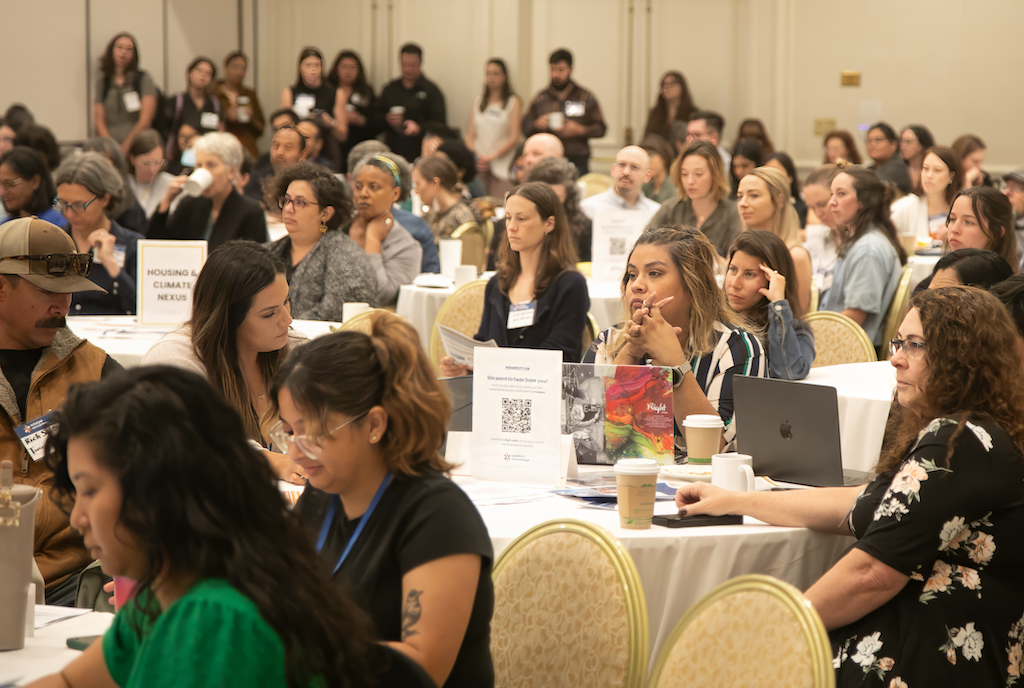
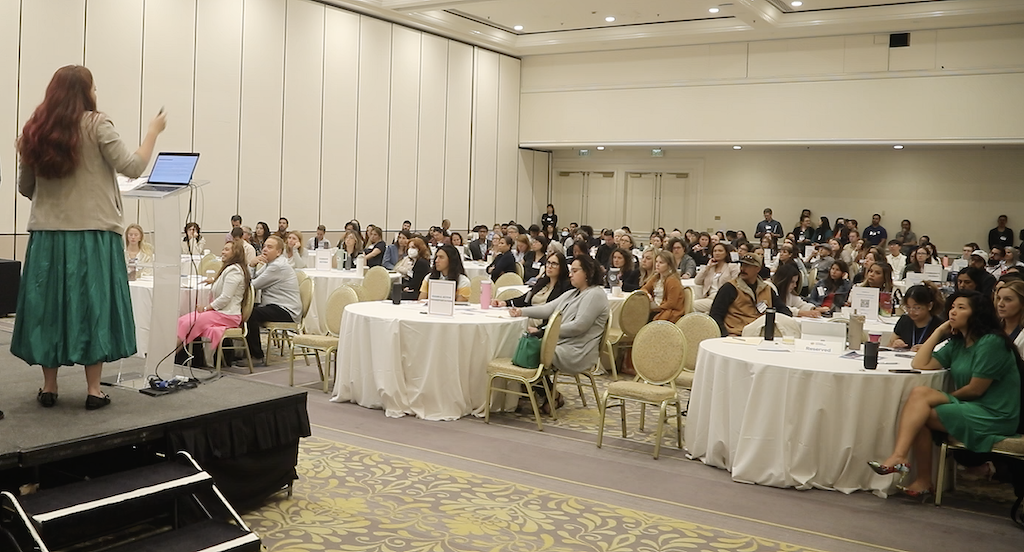

Images courtesy of Koci Hernandez, UC Berkeley Possibility Lab
Catalyst Convenings are planned with UC Berkeley’s Possibility Lab and the California Climate & Energy Collaborative with support from Farallon Strategies.